

The UK is cutting carbon emissions from its buildings to meet net-zero targets, and Air Source Heat Pumps (ASHPs) are one of the systems being used to do it. They are a workable alternative to traditional heating, and they cut both emissions and running costs. This blog sets out what Air Source Heat Pumps are, how efficient they are in UK climates, and why they now turn up so often in sustainable building design.
What Are Air Source Heat Pumps?
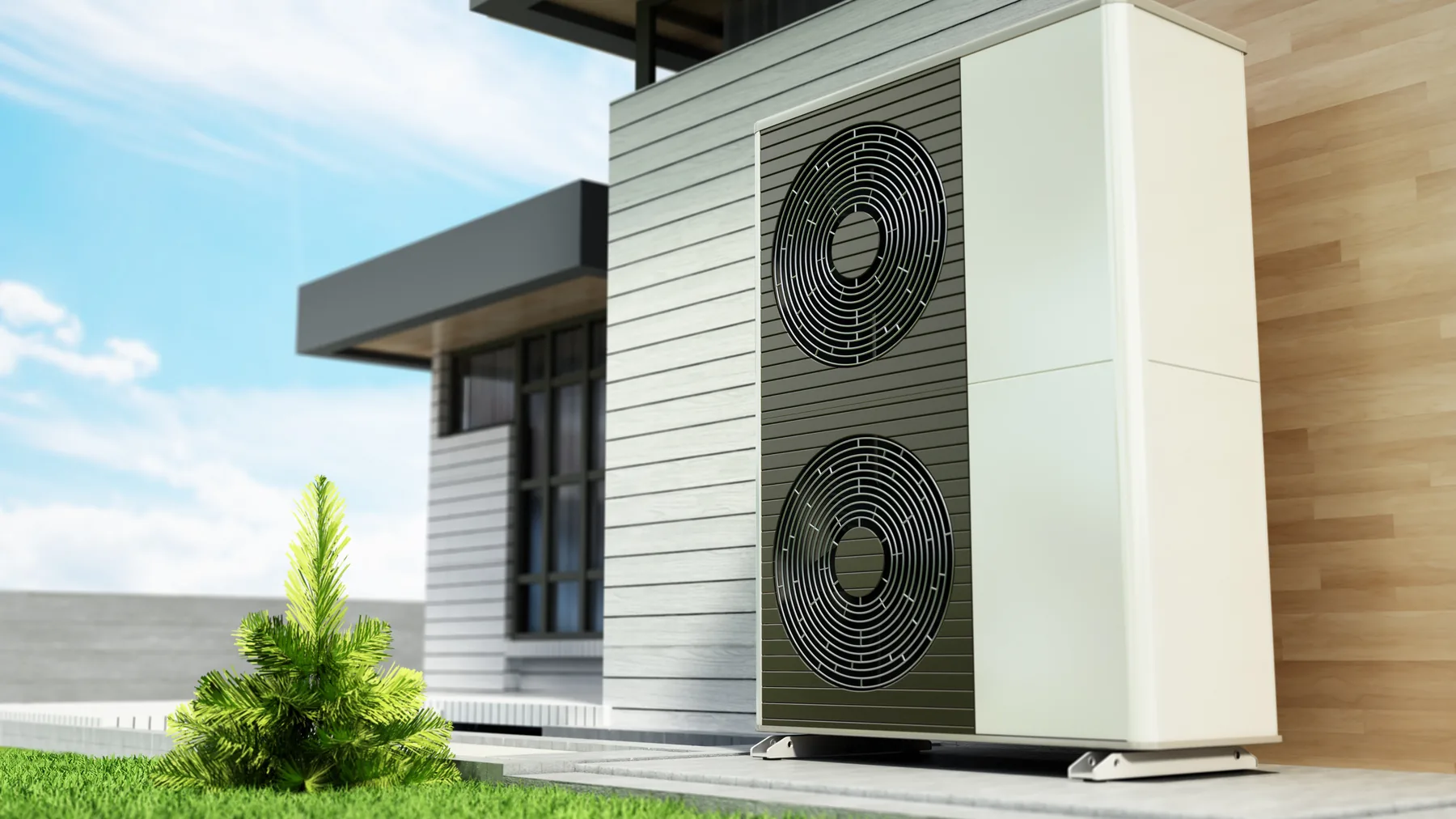
Air Source Heat Pumps (ASHPs) are renewable heating systems that extract heat from the outside air and transfer it into a building to provide heating and hot water. They work efficiently even in colder temperatures, making them suitable for the UK’s variable climate.
The process involves:
Heat Extraction: The system absorbs heat from the air outside.
Compression: The heat is transferred to a refrigerant, which is compressed to increase its temperature.
Heat Distribution: The heat is then used to warm water for heating systems or direct use.
There are two main types of ASHPs:
Air-to-Water Systems: These heat water for radiators, underfloor heating or hot water storage.
Air-to-Air Systems: These deliver warm air directly into the building.
Why Air Source Heat Pumps are Ideal for the UK
1. Energy Efficiency and Cost Savings
ASHPs are efficient, with a coefficient of performance (COP) that can exceed 3.0. For every unit of electricity consumed, they deliver more than three units of heat. According to the Energy Saving Trust, switching to an ASHP can reduce heating bills by up to £375 per year for a detached home in the UK Energy Saving Trust.
2. Lower Carbon Emissions
Unlike fossil fuel-based systems, ASHPs rely on electricity and renewable energy sources, significantly reducing carbon emissions. For example, a gas boiler emits around 2.5 tonnes of CO2 annually, while an ASHP can cut this figure by more than half, especially when powered by renewable electricity UK Government - Heat and Buildings Strategy.
3. Government Incentives
The UK government has introduced several incentives to encourage the adoption of ASHPs. The Boiler Upgrade Scheme (BUS) offers grants of up to £5,000 to homeowners installing ASHPs, making them more affordable Boiler Upgrade Scheme.
Benefits of Air Source Heat Pumps in the UK
1. Suitability for the UK Climate
ASHPs operate in temperatures as low as -15°C, which covers UK winter conditions. Output holds up through a cold spell, so the building stays warm all year.
2. Low Maintenance Requirements
Once installed, ASHPs need less maintenance than traditional boilers. Regular servicing keeps performance up, and the system’s working life, often more than 20 years, spreads the cost of the installation a long way.
3. Versatility and Integration
ASHPs work with underfloor heating and low-temperature radiators, so they can be designed into a new build or fitted to an existing property. That flexibility is why homeowners and developers keep specifying them.
Challenges and Considerations
ASHPs come with two constraints worth weighing early:
Upfront Costs: Installation costs for ASHPs typically range from £7,000 to £13,000, which can be a barrier for some homeowners Energy Saving Trust. However, government incentives help offset this expense.
Performance in Insulated Homes: To maximise efficiency, the building should have good insulation to retain heat. Retrofitting older homes may require additional insulation measures.
Comparing ASHPs to Traditional Systems
Feature
Air Source Heat Pumps
Gas Boilers
Energy Efficiency
300% (COP of 3.0)
~90%
Carbon Emissions
Significantly lower
High
Operating Costs
Lower (when powered by renewables)
Higher (rising gas prices)
Lifespan
20+ years
10-15 years
The Role of Air Source Heat Pumps in Meeting Net Zero Goals
The UK’s net-zero emissions target by 2050 depends on heating buildings without burning fossil fuels, which is what an ASHP does. Cutting the reliance on gas and other fossil fuels gives cleaner air and a greener energy grid. Take-up is expected to rise sharply, with the UK government targeting 600,000 heat pump installations annually by 2028 UK Government - Net Zero Strategy.
Conclusion: A Smart Choice for Sustainable Heating
Air Source Heat Pumps are changing how homes and buildings in the UK are heated. They cut carbon against a gas boiler, and they last longer than one. For homeowners, developers and businesses looking to reduce their environmental impact, an ASHP is a sensible step as the UK shifts to a low-carbon future.
Whether you’re retrofitting an existing property or designing a new one, an ASHP is a route to heating that will still be fit for purpose in years to come.
References:
Energy Saving Trust - Air Source Heat Pumps
UK Government - Heat and Buildings Strategy
Boiler Upgrade Scheme
UK Government - Net Zero Strategy