

Home automation is moving quickly, and smart technologies are now part of modern building design in the UK. Home automation means connected devices and systems that let homeowners control lighting, heating, security and entertainment, either remotely or through automated processes. Demand for smarter, more efficient and sustainable homes is growing, and home automation will shape how the construction industry answers it. This blog sets out what home automation is, what it delivers, and what it does for efficiency, sustainability and cost reduction in building design.
What is Home Automation?
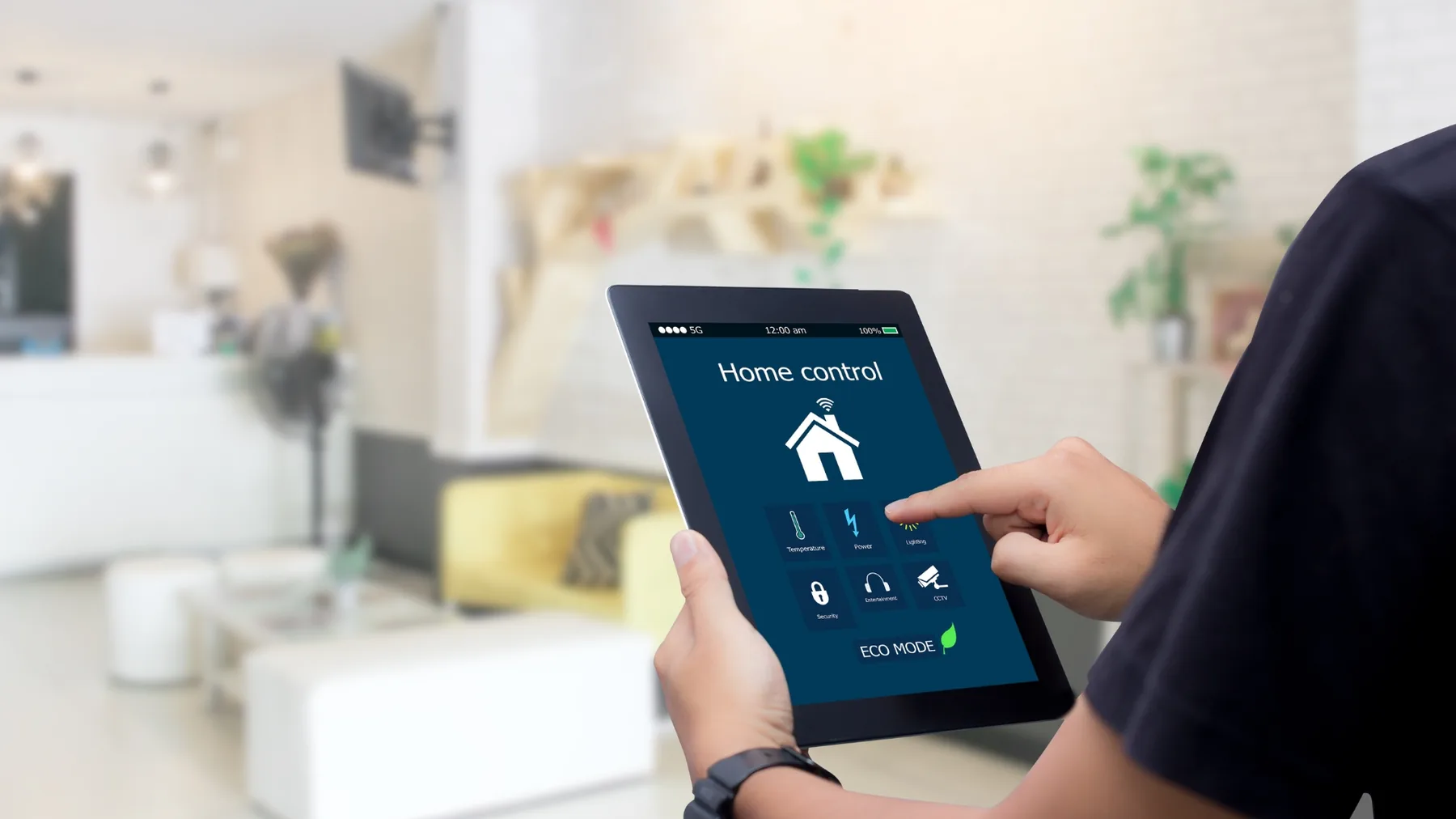
Home automation covers the technologies that allow household systems and devices to be controlled automatically or remotely. That includes smart thermostats and lighting controls, and extends to advanced security systems and home entertainment networks. These systems usually connect to a central hub or app, so homeowners can monitor and manage their home’s functions from anywhere, at any time.
The Future of Home Automation in Enhancing Efficiency
Energy Efficiency
The clearest benefit of home automation is energy efficiency. Smart thermostats can learn a homeowner’s schedule and preferences, adjusting the temperature automatically to cut energy use when no one is home. According to the Energy Saving Trust, smart heating controls can save UK homeowners up to £150 per year on energy bills Energy Saving Trust - Smart Heating.
Automated lighting systems work the same way, responding to occupancy or natural light levels so that lights run only when they are needed. The Carbon Trust reports that such systems can reduce lighting energy use by up to 40% Carbon Trust - Lighting Controls.
Reducing Carbon Footprint
Home automation also cuts a home’s carbon footprint. Optimising energy use and bringing in renewable sources lowers a smart home’s environmental impact. Tie solar panels into a home automation system, for example, and the energy generated is used more efficiently, which reduces reliance on non-renewable sources.
Sustainability Through Home Automation
Resource Management
Home automation helps manage other resources too. Smart irrigation systems monitor weather conditions and soil moisture levels to optimise water use in gardens, so water is drawn only when it is needed. That conserves water, and it reduces the operational cost of maintaining a property.
Supporting Renewable Energy Integration
Renewable energy sources are being built into home automation systems more often as the UK works towards greater sustainability. A report by the UK Green Building Council finds that home automation technologies supporting renewable energy can improve the sustainability of buildings by reducing emissions and improving energy efficiency UK Green Building Council.
Cost Reduction Through Home Automation
Lowering Operational Costs
Automating home systems saves money. Smart meters let homeowners track energy consumption in real time, which shows them where to cut usage. The UK Government estimates that smart meters could save households up to £250 annually by 2030 UK Government - Smart Meters.
Reducing Maintenance Costs
Home automation systems also cut maintenance costs, because they give real-time alerts and diagnostics on the systems they cover. A smart water leak detector, for instance, warns the homeowner of a leak before it causes damage, which avoids a costly repair.
The Role of Home Automation in Future-Proofing Buildings
Building home automation into a design meets the needs of today, and it future-proofs the home against the changing demands of technology and sustainability. As smart home technologies advance, homes already fitted with these systems will be in a better position to take on new innovations, hold their energy efficiency, and meet the tighter sustainability standards the UK government is setting.
The Future of Home Automation in UK Building Design
Home automation is changing how we design our homes and how we live in them. It improves energy efficiency, supports sustainability and reduces operational costs, and it is becoming a standard part of modern building design in the UK. For architects, developers and homeowners, taking on home automation is how you produce a home that is comfortable and convenient, environmentally responsible and cost-effective.
Demand for smarter, greener, more efficient homes keeps growing, and home automation will count for more in the UK construction industry as it does.