

Energy Centre Design carries more weight in UK construction than it used to, as projects are pushed to be both sustainable and cost-effective. An energy centre is the central point of a building’s energy infrastructure: it is where power, heating, cooling and other essential services are generated and distributed. This blog sets out what Energy Centre Design involves, why it matters to UK building projects, and how it improves efficiency and reduces cost.
What is Energy Centre Design?
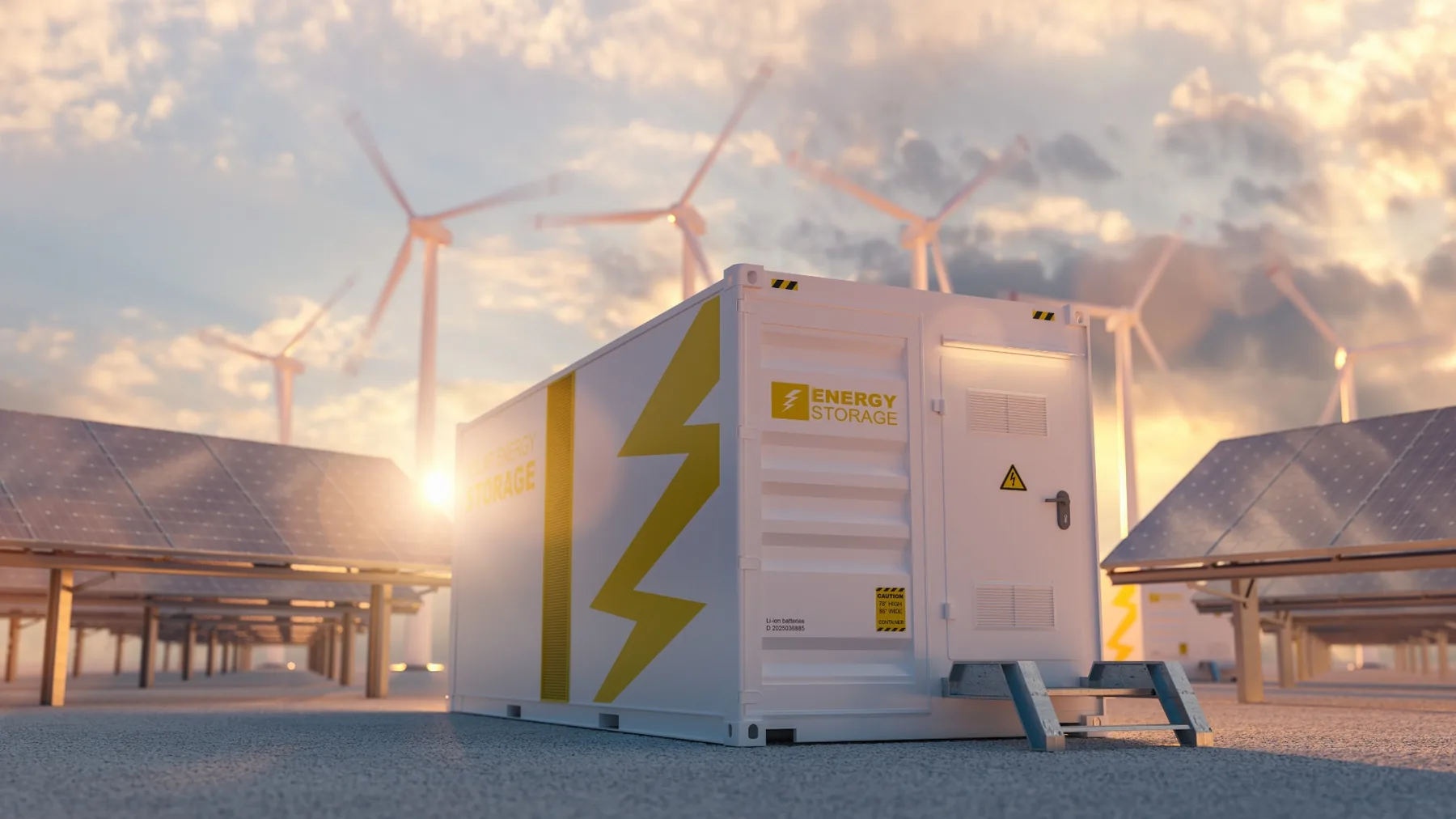
Energy Centre Design involves the planning, engineering and implementation of a centralised facility within a building or a group of buildings that houses key energy systems. These systems often include combined heat and power (CHP) units, boilers, chillers, heat pumps, and sometimes renewable energy sources like solar panels or biomass systems. The design of an energy centre is tailored to meet the specific energy demands of the building it serves, optimising the generation, storage and distribution of energy.
The Role of Energy Centre Design in Enhancing Efficiency
Optimising Energy Production and Distribution
A well-designed energy centre optimises how energy is produced and distributed. Centralising the plant means power and heat can be generated and distributed with maximum efficiency. According to the Carbon Trust, decentralised energy solutions like those provided by energy centres can reduce energy consumption by up to 30% compared to traditional energy supply methods Carbon Trust - Decentralised Energy.
For example, CHP systems in energy centres can simultaneously generate electricity and useful heat, significantly increasing overall energy efficiency. This contrasts with conventional systems where electricity is generated at a central power plant and heat is often wasted.
Reducing Carbon Emissions
An energy centre is where a building’s carbon footprint is dealt with most directly. By integrating low-carbon technologies and optimising energy use, these centres can help buildings meet the UK’s stringent carbon reduction targets. The UK government has set a goal to achieve net-zero carbon emissions by 2050, and energy centres are one of the means of getting buildings there. The use of CHP units, for instance, can cut CO2 emissions by up to 30% compared to conventional electricity generation methods UK Government - Combined Heat and Power.
Reducing Operational Costs with Effective Energy Centre Design
Lowering Energy Costs
A well-designed energy centre can significantly reduce operational costs by lowering energy consumption and improving the efficiency of energy use. The integration of renewable energy sources, such as solar or biomass, can further reduce reliance on external energy suppliers, thereby cutting energy bills. According to the Energy Saving Trust, businesses that implement energy-efficient measures, including efficient energy centre design, can save up to 20% on energy costs Energy Saving Trust - Business Energy Saving.
Reducing Maintenance and Lifecycle Costs
Energy centres that are designed with durability and ease of maintenance in mind can lead to substantial savings over the building’s lifecycle. Centralised energy systems tend to require less maintenance than multiple individual systems scattered throughout a building. Monitoring is easier, faults can be attended to more quickly, and maintenance procedures are simpler. The Building Services Research and Information Association (BSRIA) highlights that well-maintained centralised systems can extend the lifespan of energy infrastructure, reducing the need for costly replacements BSRIA - Building Services Maintenance.
Case Study: King’s Cross Central Energy Centre, London
The King’s Cross Central Energy Centre in London is a good example of the approach in practice. It provides heating, cooling and electricity to the entire King’s Cross development, which includes over 50 new buildings. Using a combination of CHP units and efficient distribution systems, the energy centre has significantly reduced energy costs and carbon emissions for the development King’s Cross Energy Centre.
The Integral Role of Energy Centre Design in UK Construction
Energy Centre Design is a critical part of modern building projects in the UK. A well-designed energy centre optimises energy production and distribution, reduces carbon emissions and lowers operational costs, and the building is more sustainable and more efficient as a result. As the UK works towards its environmental targets, energy centre solutions will be asked to do more, not less.
For developers, architects and engineers, prioritising Energy Centre Design from the outset of a project is essential for delivering buildings that are both cost-effective and environmentally responsible.