

As buildings in the UK grow taller and more complex, the design of vertical transportation systems (lifts, escalators, staircases) has become a critical component of modern construction. Vertical Transportation Design (VTD) is what keeps a building accessible to all its users, and what keeps it operating efficiently and safely. This blog covers what vertical transportation design is, why it belongs in modern building projects in the UK, and how it contributes to accessibility and efficiency.
What is Vertical Transportation Design?
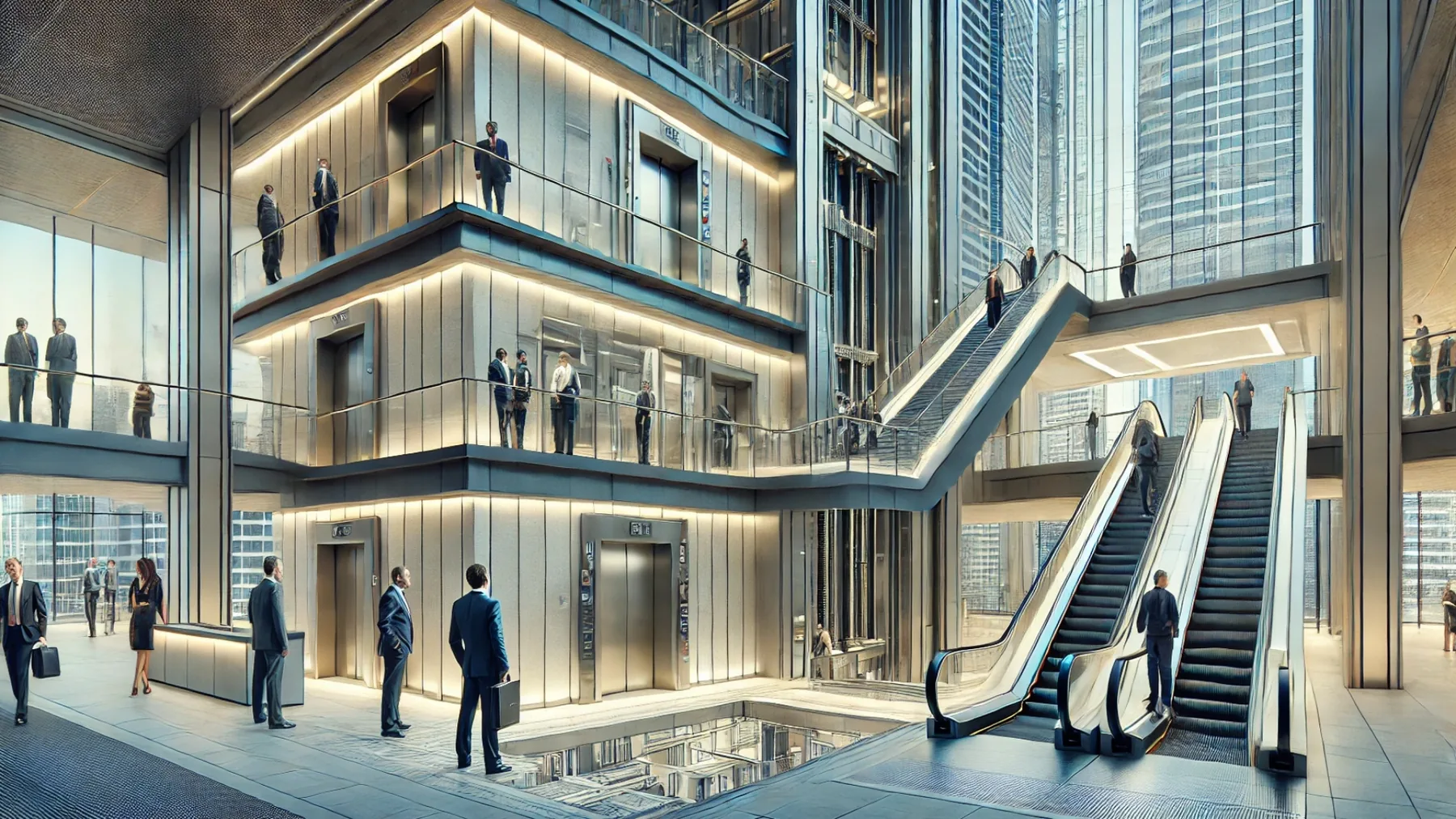
Vertical Transportation Design covers the planning, engineering and implementation of the systems that move people and goods vertically within a building: lifts (elevators), escalators, moving walkways and staircases. It sits inside the wider architectural and engineering design, and it carries most weight in high-rise buildings, where the building only functions if people and goods can be moved efficiently between floors.
The Role of Vertical Transportation Design in Ensuring Accessibility
Compliance with Accessibility Standards
In the UK, accessibility is a fundamental requirement in building design, guided by regulations such as the Equality Act 2010 and the Building Regulations Part M. Vertical Transportation Design is where that requirement is met in practice: every user, including those with disabilities, has to be able to reach and move through the building. Lifts must be designed to take wheelchairs and other mobility aids, and escalators must be fitted with safety features such as handrails and emergency stop buttons.
The British Standards Institution (BSI) provides guidelines for designing accessible lifts under BS EN 81-70, which outlines the requirements for the accessibility of lifts for all users, including those with disabilities.
Enhancing User Experience
Regulatory compliance is the starting point rather than the finish line. Good vertical transportation design cuts waiting times and keeps people moving through the building. In large commercial buildings, the lift design has to cope with the flow of people at peak times, at the start and end of the working day. Efficient VTD reduces congestion and makes the building easier to get around.
Vertical Transportation Design and Building Efficiency
Optimising Energy Use
Modern vertical transportation systems are designed with energy efficiency in mind. Regenerative drives, which are increasingly being used in lifts, capture energy generated during braking and feed it back into the building’s power system, reducing overall energy consumption. According to the Carbon Trust, energy-efficient lifts can reduce a building’s energy consumption by up to 30% compared to conventional systems Carbon Trust - Energy Efficient Lifts.
Improving Operational Efficiency
Well-designed vertical transportation systems move people and goods quickly and safely, which is what operational efficiency amounts to day to day. In high-rise buildings, lift travel times feed straight into how the building runs. Advanced lift systems, such as double-deck lifts and destination control systems, optimise lift usage by grouping passengers by destination floor, which cuts travel times and improves overall efficiency.
Case Study: The Shard, London
The Shard in London, one of the tallest buildings in the UK, shows what this work involves at scale. It has 36 lifts serving 72 floors, including double-deck lifts and advanced control systems, which move occupants and visitors efficiently and give access to every level. The building’s vertical transportation system is designed to handle high volumes of traffic while minimising wait times and energy use, which is what VTD is for in a modern high-rise The Shard - Vertical Transportation.
The Integral Role of Vertical Transportation Design in UK Construction
Vertical Transportation Design is a critical element of modern building design in the UK. It gives all users access to the building and it optimises the efficiency of building operations, and both of those decide whether a construction project succeeds. As buildings continue to rise in height and complexity, VTD will carry more weight, in producing structures that are functional and efficient as well as inclusive and sustainable.
For architects, developers and engineers, advanced vertical transportation solutions need to be built into the design from the outset if the finished building is to meet the demands of today and the future.