

Net Zero Energy in buildings is now a firm target for architects, developers and policymakers in the UK. Buildings account for a significant portion of energy consumption and carbon emissions, so energy efficiency and sustainability sit at the centre of modern construction. This article sets out what Net Zero Energy means for buildings in the UK, why it matters for sustainability goals and how building design can support both energy and water conservation.
What is Net Zero Energy in Buildings?
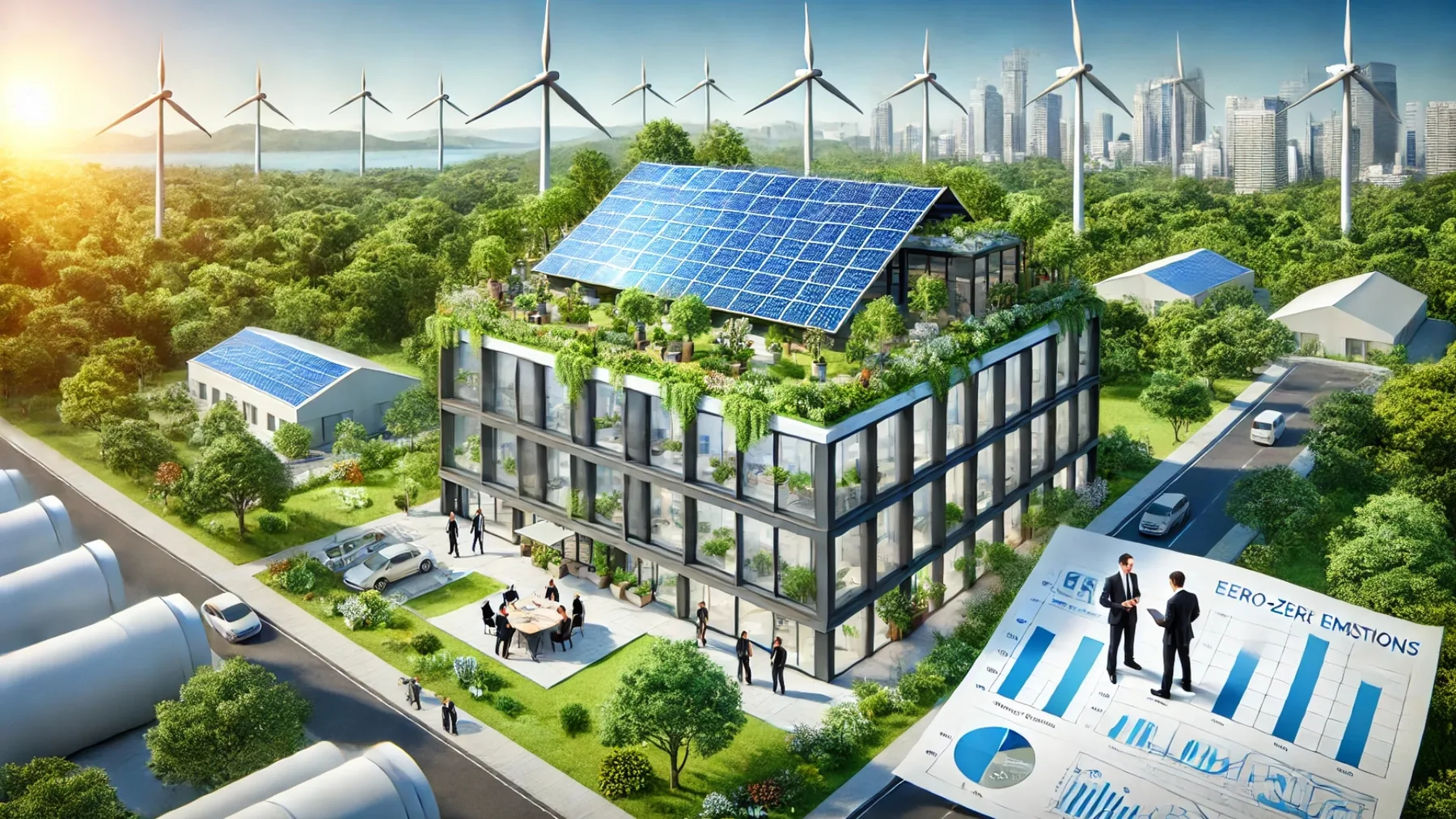
Net Zero Energy refers to buildings that generate as much energy as they consume over a year, resulting in a net-zero energy balance. This is typically achieved through energy-efficient design and the integration of renewable energy sources such as solar power, heat pumps and wind. In the UK, Net Zero Energy is aligned with the government’s commitment to achieving net-zero carbon emissions by 2050 UK Government - Net Zero Strategy.
A Net Zero Energy building aims to minimise energy demand while ensuring that any remaining energy requirements are met with renewable sources. This approach reduces dependence on fossil fuels, cuts operational costs and lowers carbon emissions, producing resilient, future-proof buildings.
Why Net Zero Energy in Buildings is Integral to Sustainable Design
1. Reducing Carbon Emissions
The UK’s built environment is responsible for around 25% of total greenhouse gas emissions UK Green Building Council. By targeting Net Zero Energy in building design, developers can significantly reduce the carbon footprint of their projects. Energy-efficient building envelopes, high-performance HVAC systems and renewable energy integration all contribute to a reduction in emissions, helping the UK meet its national and international climate goals.
Reducing emissions also improves the long-term sustainability of buildings, making them less vulnerable to future changes in energy costs and regulations. As carbon reduction targets tighten, Net Zero Energy has become the benchmark against which new construction is measured.
2. Promoting Sustainable Water Use
Sustainable water use is closely linked to energy efficiency. Heating water, for example, accounts for a significant portion of a building’s energy demand. By designing systems that use water more efficiently, such as low-flow fixtures, greywater recycling, and rainwater harvesting, buildings can reduce both water consumption and energy usage.
Part G of the Building Regulations already promotes water efficiency, setting limits on the amount of water that can be used in new and refurbished buildings. Compliance with these standards contributes to a Net Zero Energy strategy by reducing the energy needed for water heating and treatment UK Government - Part G Regulations.
3. Enhancing Energy Independence and Resilience
Achieving Net Zero Energy reduces carbon emissions, and it improves energy independence by generating energy on-site. Renewable systems, such as solar panels and wind turbines, reduce reliance on the national grid and provide buildings with a stable source of clean energy. That counts for a great deal in an energy market where prices can be volatile.
Net Zero Energy buildings are also more resilient to power disruptions. By integrating battery storage systems, buildings can store excess energy generated during peak production times for use when renewable energy generation is low. This promotes a stable energy supply, reducing the risk of disruption and ensuring consistent building performance.
Key Steps to Achieving Net Zero Energy in Buildings
Achieving Net Zero Energy in buildings requires a combination of energy-saving measures, renewable energy generation and water efficiency strategies. Here are key steps to integrating Net Zero principles into building design:
1. Designing an Energy-Efficient Building Envelope
A building’s envelope, which includes walls, roofs, windows, and doors, is the first line of defence against energy loss. High levels of insulation, airtight construction and energy-efficient glazing do most of the work in holding energy demand down. According to the Energy Saving Trust, properly insulated buildings can reduce heat loss by up to 30%, leading to substantial energy savings.
Effective shading devices, green roofs and building orientation also contribute to energy savings by reducing the need for artificial cooling and heating. By optimising the building envelope, architects can create structures that naturally maintain comfortable indoor temperatures, reducing energy demands.
2. Integrating Renewable Energy Sources
On-site renewable energy generation is essential for achieving Net Zero Energy. Solar panels, heat pumps, and wind turbines are commonly used to generate clean energy, meeting a building’s energy needs without relying on fossil fuels. In the UK, the Renewable Heat Incentive (RHI) supports the integration of renewable heating systems, making it easier for buildings to transition to sustainable energy Ofgem - Renewable Heat Incentive.
Combined with energy-efficient design, renewable energy systems can generate enough power to meet or exceed a building’s annual energy requirements, making Net Zero Energy a realistic goal.
3. Implementing Water Efficiency and Recycling Systems
Water conservation is a significant part of a Net Zero strategy. Reducing water consumption lowers the energy needed for water heating and decreases demand on local water supplies. Installing low-flow fixtures, dual-flush toilets and water-efficient appliances can significantly reduce water use.
Greywater recycling and rainwater harvesting systems offer additional benefits by supplying non-potable water for uses such as irrigation, toilet flushing, and cooling. The Building Research Establishment (BRE) highlights that greywater systems can reduce water demand by up to 30%, contributing to both water and energy savings BRE Group.
The Role of Part L and Part G Regulations in Net Zero Energy Buildings
Compliance with UK Building Regulations, particularly Part L (energy efficiency) and Part G (water efficiency), is fundamental to achieving Net Zero Energy in buildings. Part L sets out energy performance standards, while Part G establishes water efficiency requirements. Adhering to these regulations ensures that buildings meet the necessary sustainability standards, laying the groundwork for Net Zero Energy design.
Part L and Part G line up with Net Zero goals, which makes compliance the first step towards sustainable, high-performance buildings that reduce environmental impact and hold up over the long term.
Getting a building to Net Zero Energy takes energy-efficient envelopes, integrated renewable energy and sustainable water use. Together they answer what the sustainability agenda now asks of UK construction. As the UK works towards its net-zero carbon target by 2050, Net Zero Energy buildings will do more and more of the work of reducing emissions, conserving resources and strengthening the resilience of the built environment.
For architects, developers and building owners, Net Zero Energy is more than a compliance measure. It is a chance to put up buildings that stay efficient, sustainable and resilient long after handover.