

At the start of a construction project, attention usually goes to the architectural design, structural integrity and overall aesthetics. The building services infrastructure gets less of it, yet the project’s success depends on that infrastructure as much as on anything else. It keeps the building running, and it determines how long the building lasts and how easily it can be maintained long after construction is completed. This blog sets out why building services infrastructure matters, and how it reduces costs and litigation.
The Importance of Building Services Infrastructure
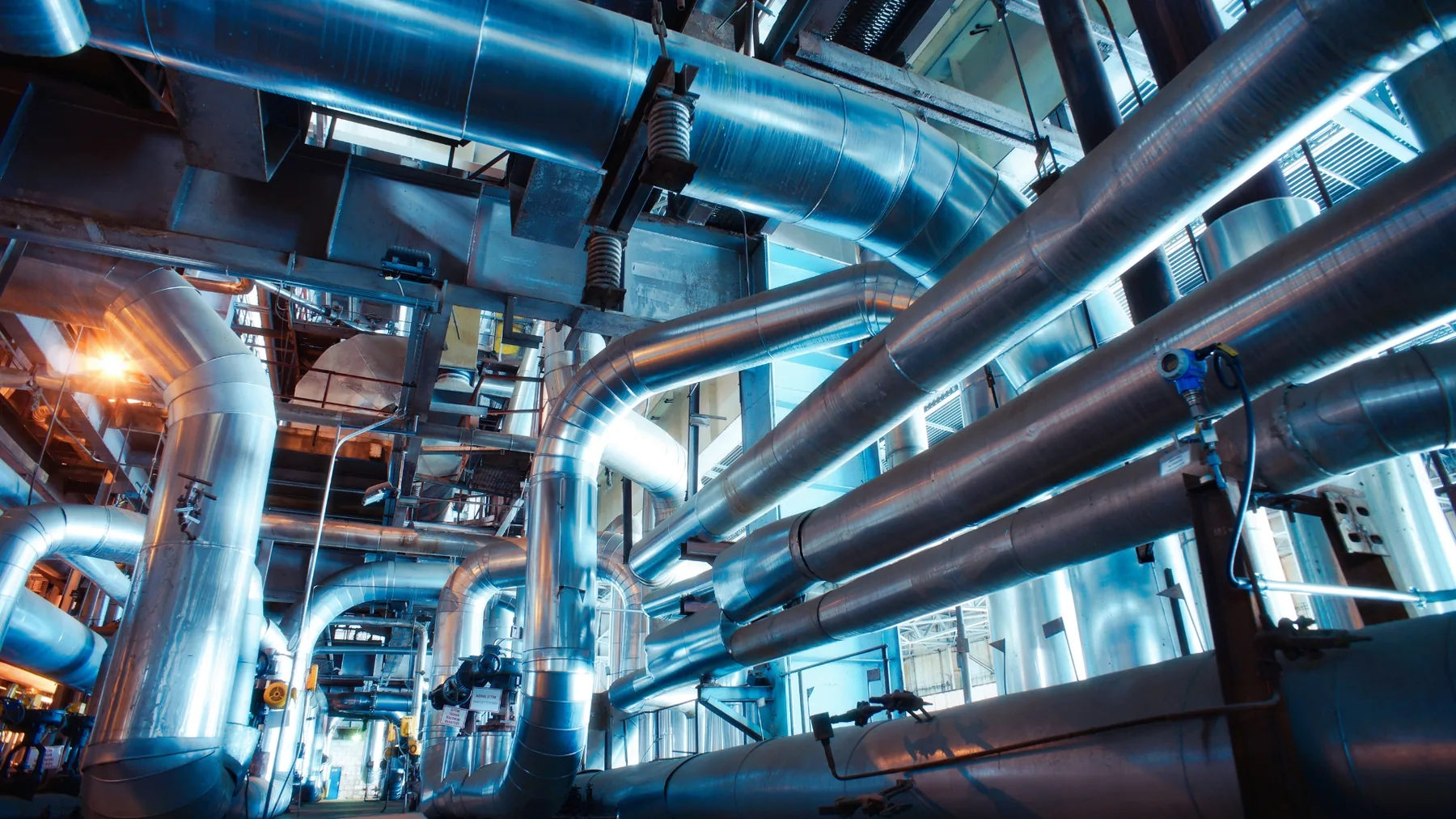
Building services infrastructure covers the systems that make a building functional, comfortable and safe: heating, ventilation and air conditioning (HVAC), electrical systems, plumbing and fire safety. These systems are integral to the daily operation of any building, whether it’s a residential property, commercial space or industrial facility.
Well designed and properly installed building services infrastructure is the foundation a building’s longevity is built on. Poor design and installation of these systems can cause serious problems later: increased maintenance costs, frequent system failures and potential safety hazards.
Reducing Costs Through Proper Infrastructure
Investing in robust building services infrastructure from the outset can produce substantial cost savings over the lifecycle of the building. Reports by numerous respected sources including the Royal Institution of Chartered Surveyors (RICS) highlight that buildings with well-integrated services infrastructure experience fewer maintenance issues and reduced energy costs compared to those with poorly designed systems.
Modern, energy-efficient technologies and data in HVAC and electrical systems also cut operational costs. The adoption of smart building technologies can lead to a reduction of up to 22% in energy consumption, as noted in a study by ACEEE in the US. Despite the distance, the energy sector and building styles are directly relatable. Deloitte concluded in their recent study: The average operating costs of the smart buildings in their survey were lower than those of conventional buildings by as much as 26%. On average, the smart buildings in their analysis consumed 34% less energy than conventional buildings.
Minimising Litigation Risks
Well-executed building services infrastructure also cuts litigation risk, a benefit that is easily overlooked. A significant proportion of post-construction disputes arise from issues related to building services. Those disputes bring costly legal fees, and they can also cause reputational damage and delays in project completion.
Designing and installing building services to the highest standards mitigates these risks. Engaging with qualified professionals, conducting thorough testing and commissioning, and adhering to industry standards set by the Health and Safety Executive are the steps that keep a project out of court.
Conclusion: Building for the Future
Building services infrastructure is more than a necessary component of construction. It is the backbone of how a building functions, how long it lasts and what it costs to run. Developers and contractors who prioritise the design and installation of these systems get buildings that last, operate efficiently and avoid the costs of heavy maintenance and litigation.
For those in the construction industry: money spent on quality building services infrastructure is money spent on the future success of your projects.