
Services · MEP Design
Energy Centre Design
Low-carbon energy centres engineered for resilience and operational efficiency, serving residential and commercial developments through communal heat networks.
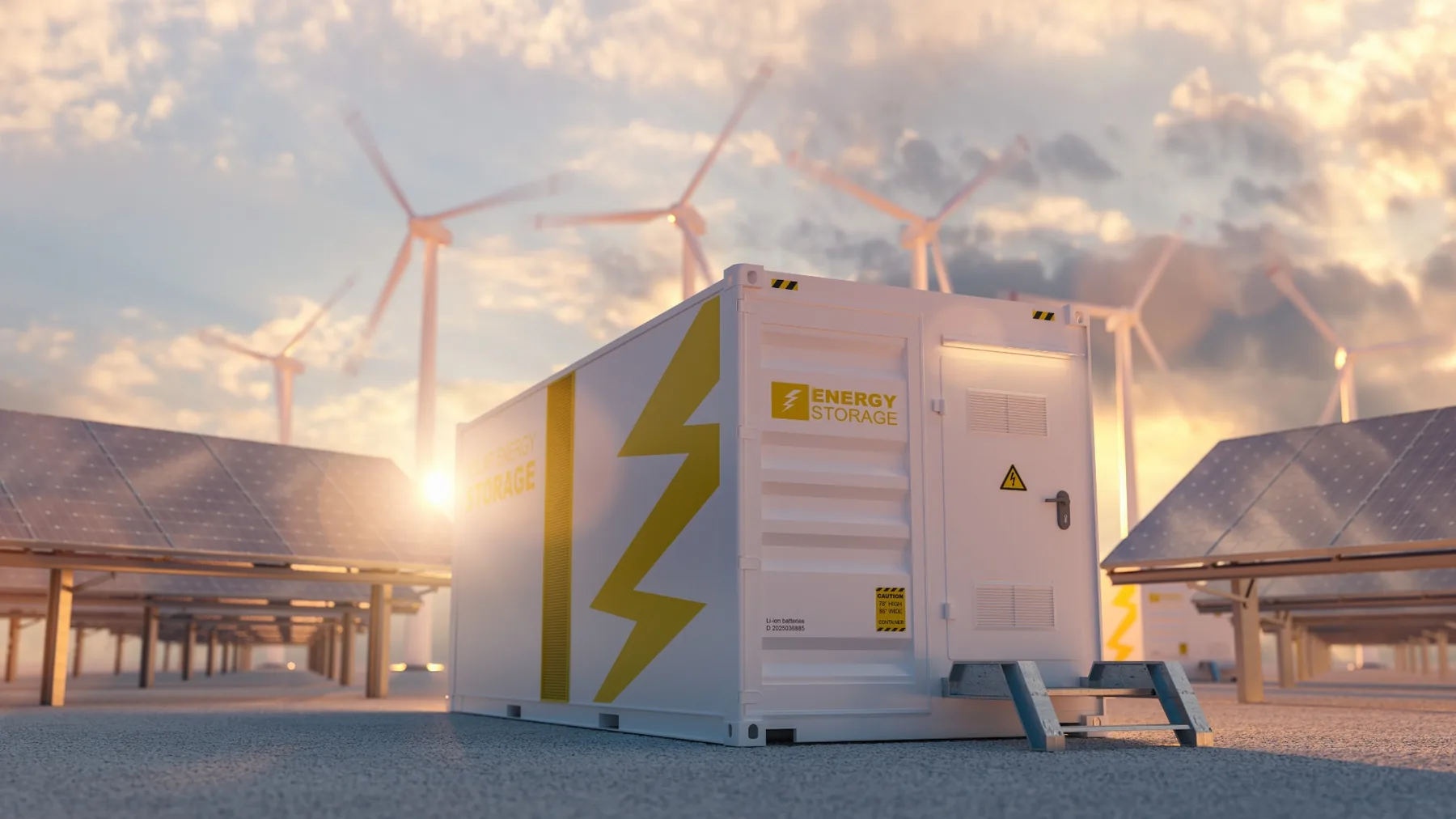
An energy centre is the heart of a communal heating system: the centralised plant that generates heat, and often power, for an entire development. AMF MEP's energy centre designs incorporate advanced cogeneration and trigeneration systems and harness renewable resources to deliver efficient, low-carbon energy. Each design is tailored to the rigorous demands of both commercial and residential developments, with energy resilience and operational efficiency put first and environmental sustainability designed in.
We design the energy centre as part of the wider heating strategy, never in isolation. At High Path Estate Phase 2 in South Wimbledon, a new energy centre serves 138 apartments through heat interface units and underfloor heating in a phase designed entirely gas-free. At Uxbridge Town Centre West, centralised plant delivers heating and hot water to 267 apartments over a site-wide communal heat network, within an energy strategy targeting more than a 35% carbon reduction under the London Plan.
What we deliver
Discuss your project →- Energy centre plant selection and plant room layout
- Cogeneration and trigeneration (CHP) system design
- Gas-free and low-carbon plant strategies
- Heat network distribution and HIU interface design
- Controls and BEMS integration for communal plant
Proof
Where we deliver this now.
What is an energy centre?
An energy centre is the centralised plant room that generates heating, and in some designs power and cooling as well, for a whole development. It feeds a heat network that carries hot water to heat interface units in each dwelling. Concentrating the plant in one location supports resilience, efficient operation and a single point for future low-carbon upgrades.
Can an energy centre be designed without gas?
Yes. High Path Estate Phase 2 is designed gas-free: the new energy centre serves 138 apartments through heat interface units and underfloor heating, with no gas plant in the phase. Our designs harness renewable resources to deliver efficient, low-carbon energy.
What is the difference between cogeneration and trigeneration?
Cogeneration, also called combined heat and power (CHP), generates electricity and captures the heat produced in the process for use in the building or heat network. Trigeneration adds a third output, cooling, typically by using some of that heat to drive absorption chillers. We incorporate either where it suits the development's demand profile.
Need energy centre design?
Tell us about your development and we will show you how it fits.
Start a project →